

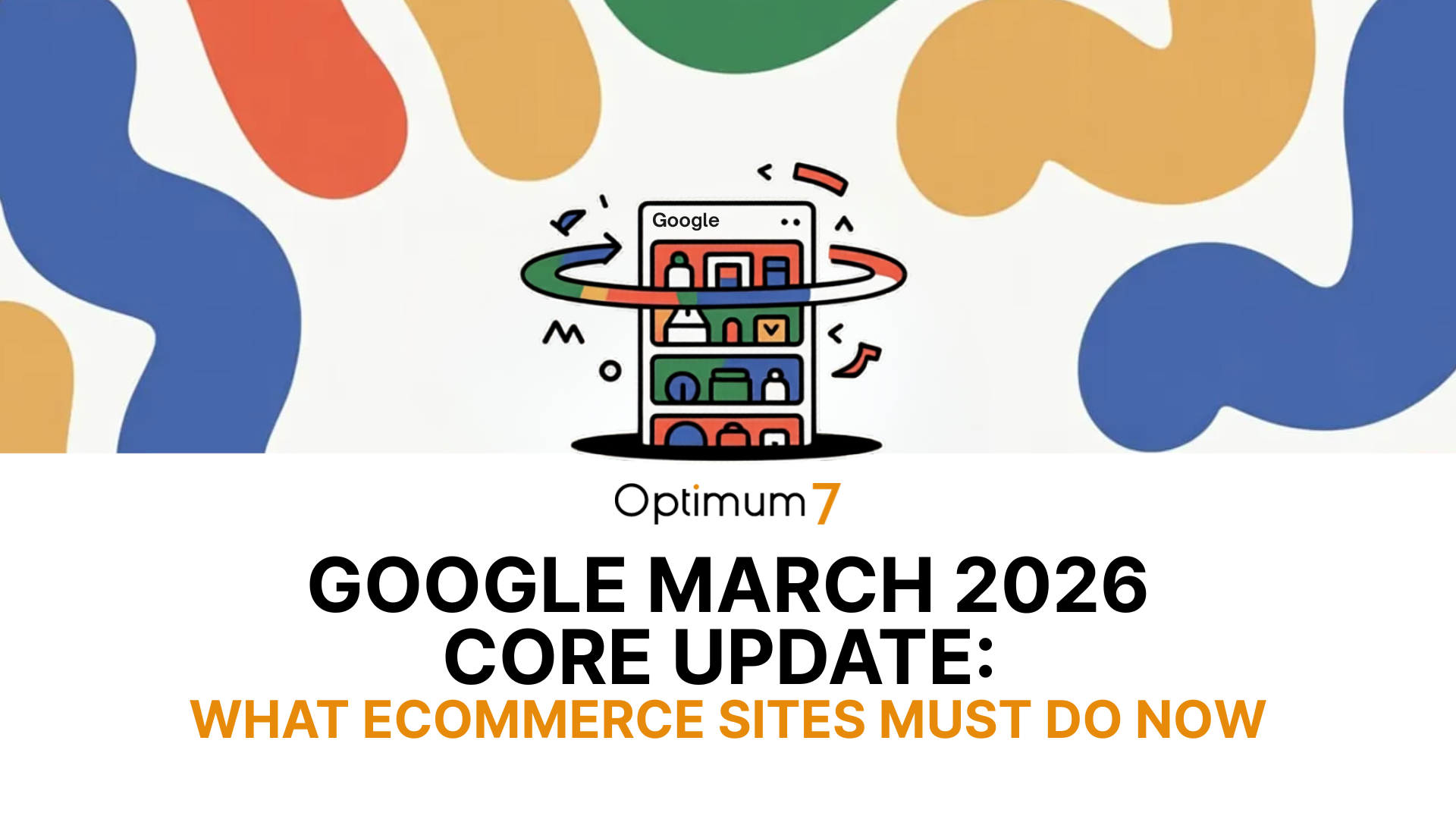
TL;DR: Google’s March 2026 core update was brutal because it exposed how much of the web was still ranking on recycled content. Affiliate roundups, AI-generated pages without real editorial oversight, and template-driven listings took the hardest hits. Sites with original data, visible expertise, and something real to add held up better. Google got better at telling which pages offered real value and which ones were just repeating what was already out there.
For a long time, Google tolerated so much content that said the same thing using different words and slightly different structures. That kind of content kept ranking because search had not fully caught up to how replaceable it was.
After Google’s March Core Update, when eCommerce teams opened Search Console, many saw a cliff. What made it hit so hard was not just the drop itself, but how quickly Google drew a line between pages that looked polished and pages that were actually useful.
Semrush’s volatility sensor hit 9.4 out of 10 (Search Engine Land, 2026), meaning more than half the web saw measurable ranking shifts within days. Separately, Search Engine Journal tracked 55% of domains moving five or more positions on at least one keyword cluster within the first 72 hours.
Why the March 2026 Core Update Hit So Much Harder
Google gave the usual broad language around this update, saying it was designed to surface more relevant and satisfying content. That does not explain why the impact felt so severe across affiliate pages, AI-heavy publishing operations, thin category content, and aging YMYL pages. The common thread is that Google seems to be getting better at separating content that looks complete from content that brings something real to the search results.
For years, a lot of pages survived by being good enough. They covered the expected points, used the right keywords, followed the right structure, and looked more polished than weaker competitors. But many of them were still built on the same raw material as everything else around them. Manufacturer specs rewritten into buying guides, supplier descriptions reused across product catalogs. AI-assisted articles published at scale with very little review or judgment added by a real editor. On the surface these pages looked different, but many of them were easy to replace.
That is why the March 2026 core update felt harsher than a typical reshuffle. It exposed how much of the web was still being propped up by volume, templates, and presentation. Once Google pushed past that, the gap between content that looked useful and content that was useful became much more visible.
The Sites That Got Hit, and the Pattern Behind Every One
When the biggest losses started showing up, the pattern was hard to miss. The sites that fell furthest were not failing in completely different ways. Most were built on the same weaknesses: little original value, thin trust signals, or content produced at a scale that made it easy for Google to see how interchangeable it really was.
Affiliate and product comparison pages were some of the clearest casualties. Finance affiliate pages alone dropped 40 to 55%, and sites built around “best X under $Y” roundups were especially vulnerable.
AI-heavy publishing operations ran into the same wall. Sites pushing out 100 or more articles a month without real editorial review lost 60 to 90% of their visibility within days. When Google identified the pattern, entire domains took the hit, not just individual pages.
Still not sure if the update hit you? Use our free Google Domain Penalty Checker to pull your visibility data around March 27. You’ll know in under a minute, before you spend time fixing pages that weren’t affected.
Programmatic pages followed the same path. Template-driven location pages, coupon sites, and category listings built on fill-in structures dropped 28 to 35%. Different formats, same underlying problem.
Outdated YMYL content was hit for a different reason but landed in the same place. Pages in health, finance, and safety that had not been meaningfully updated since 2024 dropped around eight positions. Even a fresh publish date did not help. Without visible updates, credible sources, and clear ownership, those pages lost trust.
March 2026 Core Update: Average Visibility Decline
By content type (midpoints of reported estimate ranges)
Sources: Search Engine Land, Search Engine Journal, OpenPR. Figures represent midpoints of reported estimate ranges.
What Google Rewarded: Original Data, Named Authors, Topical Depth
Sites with original research and proprietary datasets averaged a 22% organic visibility gain. Some niches tracked considerably higher. One tracked case: a personal finance publication running first-party survey data on debt management gained 224%, not a small site and not in a low-competition niche. A cybersecurity blog with 340+ interlinked topics concentrated in one subject area saw comparable gains.
Expert-authored content with full author schema implementation outperformed anonymous content by a factor of 2.4. Medical and health sites that connected author credentials to visible markup, Person schema with sameas links, and professional bios saw the most dramatic recoveries, with one tracked site moving from 12,000 to 48,000 daily visits.
| Content Type | Direction | Impact |
|---|---|---|
| AI-heavy publishing (100+ articles/mo, no editorial review) | Lost | -60 to -90% visibility |
| Thin affiliate sites (avg.) | Lost | -54% visibility |
| Finance affiliate pages | Lost | -40 to -55% visibility |
| Template-driven programmatic pages | Lost | -28 to -35% visibility |
| Sites with original research and proprietary data | Gained | +22% avg. visibility |
| Expert-authored content with full author schema | Gained | 2.4x vs. anonymous content |
| Deep topical authority (single-niche concentration) | Gained | Up to +224% in tracked cases |
How to Recover From the March 2026 Core Update
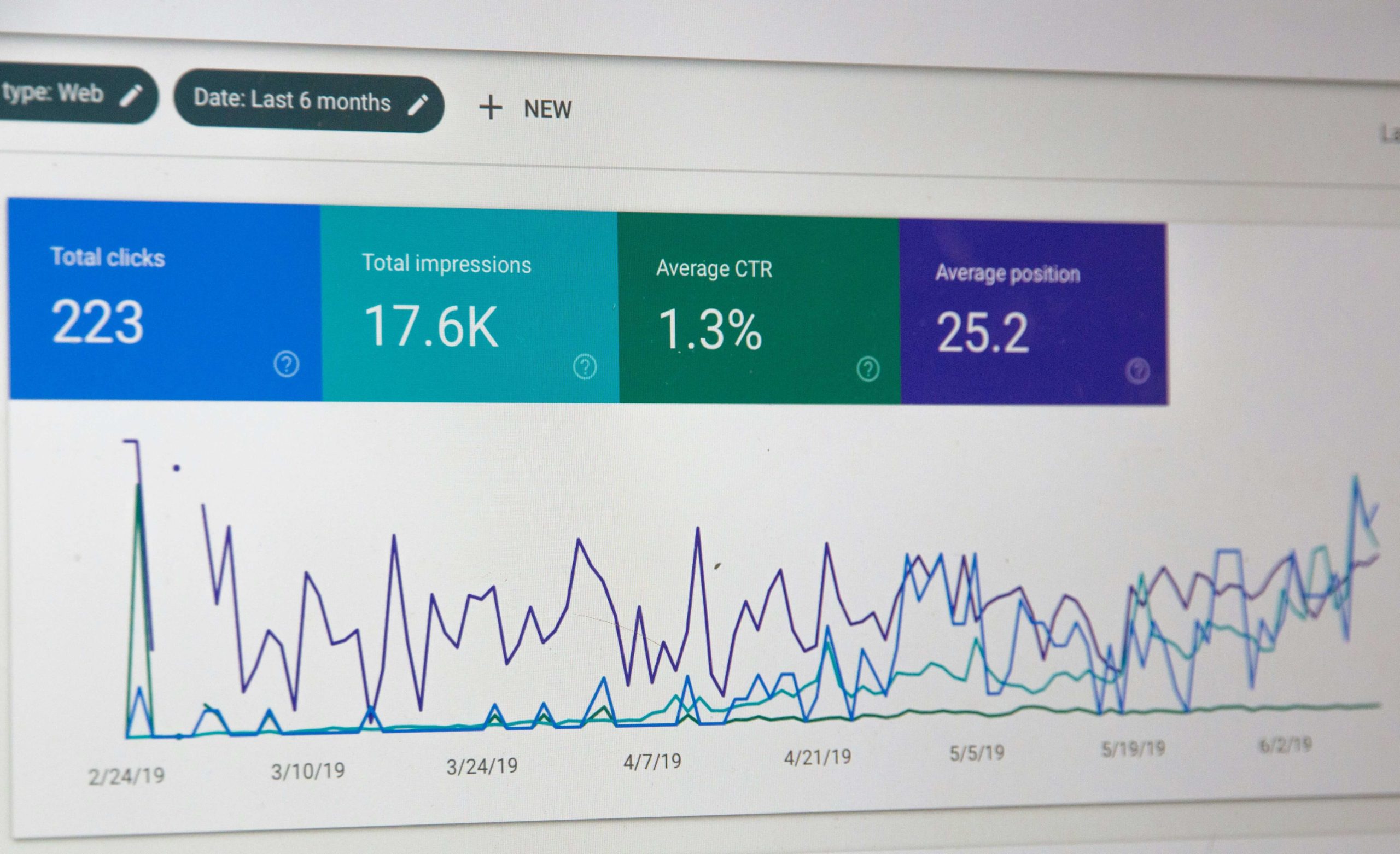
Before making any changes on your site, give your Search Console data at least a week to stabilize; preferably give it two weeks. Rankings continue adjusting for several days past the official end date, and the data lags behind. Don’t start pulling levers before you have a clean read.
1. Decide Which Pages Deserve to Exist
Pull your Search Console data, supplemented with SEO auditing tools, and sort by the largest traffic declines since March 27. For each declining page, ask one question: does this page add anything a buyer cannot get from the top three results? If your answer is “no”, the page needs to be consolidated, rewritten, or removed.
2. Give Every Buying Guide a Real Name and a Real Credential
More than half the review content on mid-market eCommerce sites has no named author. It is the most common E-E-A-T gap and one of the faster things to fix. Every buying guide, product roundup, and review post needs a named author with a real bio, a photo, and a credential relevant to the product category. These credentials need to be visible in the markup, not just in prose. Implement Person schema on author pages with sameas links pointing to their LinkedIn profile or published credentials. Google’s entity resolver needs to make the connection to grant the authority signal.
3. If a Page Cannot Produce One Original Insight, It Should Not Exist
Let’s go straight to the point. If a page cannot produce one original observation that exists nowhere else in the supply chain, it is a liability on your domain. Run your own speed test on a product and publish the result. Ask your last 50 customers what the spec sheet doesn’t tell them and write it up. Put two competing products side by side, test them yourself, and document what you actually find. One original, verifiable data point per page is enough to give the Information Gain signal something to work with. Prioritize your top 20 pages by traffic and work from there.
4. YMYL Content That Hasn’t Been Updated Since 2024 Is Now Vulnerable
Finance, health, and safety content does not get much room to go stale. If those pages have not been seriously updated since late 2024, they are easier to distrust now. That covers financing guides, product safety comparisons, and anything tied to health claims.
The fix is not for looking good.
You have to go back into those pages and update them in a way that is visible. You need to add new data, current references, clearer sourcing, and a sign that someone is actively maintaining the content. If a claim depends on a statistic, it must be current. If the page compares options, those options need to reflect what exists now, not what existed a year ago.
If you only change the publish date without changing the content, it does not help. Google can tell when the words haven’t changed.
Your traffic dropped. Now what?
The March 2026 core update is complete. If your Search Console data shows your store was hit and you need a clear picture of which pages to fix, consolidate, or cut, contact the Optimum7 team.
Frequently Asked Questions
About the author: Duran Inci is the CEO and Co-Founder of Optimum7, an ecommerce development and digital marketing agency. He helps mid-market and enterprise brands scale revenue through conversion optimization, SEO, and custom ecommerce solutions.