

TL;DR: Google, Facebook, Instagram, and most ad platforms ban tobacco, CBD, vaping, and firearms advertising outright. The brands that grow in these categories use SEO, bridge page campaigns, podcast sponsorships, and email nurture sequences. This guide covers each strategy, including the specific landing page rules that determine whether a Facebook campaign survives or gets shut down.
Every advertising platform that matters has banned tobacco and restricted products in some form. Google Ads prohibits cigarettes and tobacco. Facebook and Instagram reject these categories at the ad and account level. Amazon restricts their listings. That reality is fixed, and working around it requires a different playbook entirely.
The brands that grow in tobacco, CBD, vaping, and firearms do so through organic search, carefully structured landing page campaigns, and advertising channels that most digital marketers overlook. What follows is a practical breakdown of each method and the compliance details that determine whether they work long-term.
Why Tobacco and Restricted Products Are Blocked From Major Ad Platforms
Google Ads, Meta (Facebook and Instagram), TikTok Ads, and Bing Ads each maintain restricted content policies that explicitly prohibit tobacco products, vaping products, and most CBD advertising. These bans are not algorithmic flags that can be worked around with clever copy. They are categorical policy decisions enforced at the account level, meaning a single violation can result in permanent account suspension.
The legal framework adds another layer. The Family Smoking Prevention and Tobacco Control Act, signed June 22, 2009, gives the FDA authority to regulate the manufacture, distribution, and marketing of tobacco products in the United States. Online sales of cigarettes are broadly prohibited across many states, while cigars, hookah tobacco, and blunt wraps can often be sold online with proper state licensing and age verification in place.
SEO and Content Marketing: The Primary Growth Channel for Restricted Products
Organic search is the most durable channel available to tobacco and restricted product brands. When someone searches for a specific product or comparison, ranking on the first page of Google captures intent-driven traffic that no paid channel can replicate. Unlike ad campaigns, organic rankings do not disappear when a policy changes overnight.
A viable SEO strategy for this space rests on three components:
Influencer Marketing for Restricted Products
Influencer marketing remains a viable secondary channel, though attribution is imprecise. Verified customers of a trusted individual are more likely to act than users who see a cold ad. The drawback is measurement: tracking exactly how many purchases came from a specific influencer requires a dedicated promo code or landing page URL.
Note that since late 2019, Facebook and Instagram prohibit influencers from publishing branded content that promotes tobacco or vaping products. Influencer campaigns for these categories need to operate on platforms with fewer restrictions, such as YouTube, newsletters, or podcasts.
Comparison and Review Sites
Numerous third-party sites compare tobacco products, vaping devices, CBD brands, and firearm accessories. These sites rank for high-intent product queries and already have established domain authority. Sponsoring a category listing, purchasing a review placement, or renting their email list gives restricted-product brands access to an audience that would otherwise require a paid search campaign to reach.
How to Run Facebook and TikTok Ads for Restricted Products: The Bridge Page Strategy
The bridge page method is the most widely used technique for running social ads in restricted categories. It works by inserting a compliant intermediate page between the ad and the actual product. Facebook sees a policy-compliant landing page. The visitor gets routed to the brand through email or a separate click path.
This strategy applies across platforms. Bridge pages can be run on Facebook, Instagram, How to Advertise on TikTok for eCommerce Products, and Twitter. Each platform’s terms of service must still be observed, and the bridge page itself cannot include any content that would trigger a restriction on those platforms.
Ad Scent: Matching Your Ad to Your Landing Page
Ad scent is the degree of visual and messaging consistency between an ad and the page it links to. Facebook evaluates whether the copy, imagery, and tone of the ad matches what users encounter after clicking. Inconsistency, where the ad promises one thing and the landing page delivers another, is a common reason for ad rejection and account bans.
Maintaining ad scent means using the same or similar headline phrasing, matched color palettes, and consistent calls to action across the ad creative and the landing page. If the ad promotes a blog post, the featured image from that post should appear in the ad thumbnail. The visitor should never feel redirected or surprised by what they find.
Landing Page Rules Facebook Actually Enforces
Most advertisers focus on making their ads compliant and overlook the landing page. Facebook evaluates the destination page as part of ad approval. The following rules apply:
Banned Content Categories That End Ad Accounts
Case Study: How a CBD Brand Navigates Facebook’s Restrictions
Consider a brand that sells CBD products for pets. Running ads directly to their product page on Facebook or Google would result in immediate rejection. The bridge page approach works as follows: the brand registers a separate domain, such as calmpets.com, and builds a content site on that domain about general pet calming techniques.
The content on that site covers training approaches, music therapy for anxious pets, dietary changes, and other non-restricted options. CBD appears as one option among many, without being mentioned as the focus of the site. Facebook sees a legitimate pet wellness resource. The visitor opts in for a lead magnet, such as a “Top 10 Ways to Calm Your Pet” guide, and enters an email sequence.
“Facebook sees a pet wellness site. The email sequence does the selling. The platform never touches the restricted product.”
Once a subscriber is in the email list, the brand can introduce the CBD product directly. Email marketing platforms do not enforce the same restrictions as social ad platforms. This is called a nurture sequence, and it is the mechanism that makes the bridge page strategy viable long-term.
One important caveat: brands with high ad spend volumes have found that Facebook and Google track IP logins and connect account behavior over time. If the same ad account or billing information is associated with previous restricted product violations, a new domain may still inherit that flagging. This strategy requires clean account infrastructure, not just a new landing page.
Alternative Advertising Channels for Tobacco and Restricted Products
Beyond SEO and bridge page campaigns, several channels accept restricted product advertising that most digital marketers overlook.
| Channel | Permits Restricted Products? | Audience Reach | Compliance Risk |
|---|---|---|---|
| SEO / Content Marketing | Yes | High | Very Low |
| Email / Nurture Sequences | Yes | Medium | Very Low |
| Podcast Sponsorships | Usually Yes | Medium-High | Low |
| Comparison / Review Sites | Yes | Medium-High | Very Low |
| Bridge Pages (Facebook/TikTok) | Conditional | High | Medium |
| Streaming Ads (Hulu, etc.) | Platform-Specific | High | Low-Medium |
| Satellite Radio (SiriusXM) | Yes | Medium | Low |
Podcast Sponsorships
Podcasts operate outside the ad platform restrictions that govern Facebook and Google. A host-read sponsorship on a podcast that targets your demographic, such as a cigar enthusiast show, a hunting and outdoors program, or a wellness podcast for CBD, delivers a brand mention to a loyal, recurring audience. The host reads a live endorsement, includes a promo code, and directs listeners to a trackable URL.
Attribution is more reliable than general influencer campaigns because the promo code provides a direct conversion path. Listeners who hear the same brand name week after week tend to search for it directly, generating organic branded traffic that appears clean in analytics.
Streaming Platform Ads
Hulu’s self-serve ad platform allows restricted product categories that Google and Facebook prohibit. Advertisers submit a video ad, go through an approval process focused on ad quality and format requirements, and run a campaign for a fraction of the cost of a television commercial. The audience targeting is significantly more precise than traditional broadcast TV.
Other streaming platforms have varying policies. Check each platform’s current advertising standards before investing in creative production, as these policies update independently of one another.
Satellite Radio
SiriusXM accepts tobacco and certain restricted product advertising. Satellite radio reaches a subscription-based audience that skews toward older, higher-income adults, which aligns well with premium cigar, pipe, and smokeless tobacco buyers. Unlike terrestrial radio, which is subject to FCC broadcast standards, satellite radio operates under fewer content restrictions.
Email Marketing and Nurture Sequences
Email is the highest-ROI channel available to restricted-product brands for one reason: once a subscriber is on your list, no platform policy governs what you send them. Email marketing platforms (Klaviyo, Mailchimp, and others) have their own terms of service and do restrict certain categories, so review those policies before building your stack. But email sequences allow direct product promotion, price announcements, and personalized recommendations that no social ad can legally carry.
The bridge page strategy is the primary mechanism for building that email list at scale. Optimum7’s SEO team works with brands in complex advertising categories to build organic visibility when paid channels are blocked.
Restricted Product Categories and Their Specific Platform Rules
Vaping and E-Cigarettes
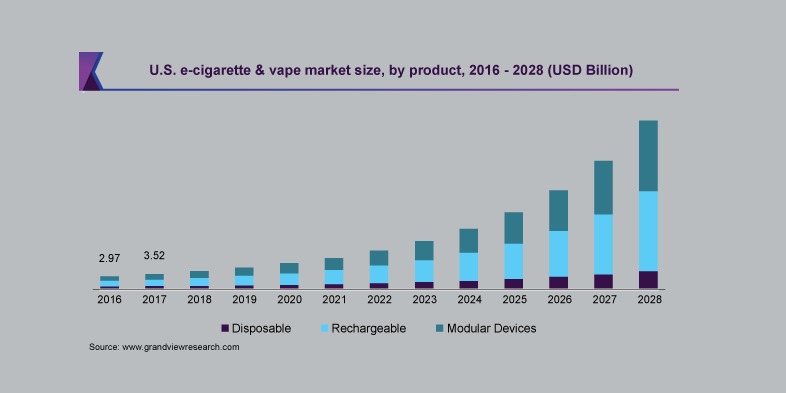
Vaping products, including e-cigarettes and refillable devices, are treated as tobacco products by both the FDA and most ad platforms. The FDA extended its authority to regulate e-cigarettes in 2016. On Facebook and Instagram, vaping products are prohibited in both direct ads and influencer-sponsored content. SEO, podcasts, and email remain the primary channels for vaping brands.
Tobacco Products
Tobacco includes cigarettes, cigars, smokeless tobacco (chewing tobacco and snuff), hookah (shisha), and pipe tobacco. Each carries distinct legal sale restrictions at the state level and separate platform advertising rules. Cigarette online sales are broadly prohibited across most states. Cigars and hookah tobacco face fewer restrictions in many jurisdictions.
CBD and Hemp Products
CBD advertising restrictions vary more than tobacco because the legal status of CBD itself varies by state and product type. Some states classify CBD as a medicine, others treat it as a supplement, and others apply marijuana regulations. Facebook prohibits CBD ads, Google prohibits most CBD ads, and Amazon restricts CBD listings. The bridge page method, combined with a compliant content site as the ad destination, is the most commonly used workaround.
Platform restrictions on CBD have been gradually loosening. Advertising options that were unavailable two years ago may become accessible as regulatory clarity improves. Monitor platform policy updates quarterly if this is your primary product category.
Firearms
Firearms eCommerce carries the most durable set of restrictions because the underlying federal regulatory framework, including FFL licensing requirements and background check mandates, creates compliance obligations that no platform policy change will eliminate. Firearms brands face the same advertising bans on major platforms as tobacco, with the added complexity of payment processor restrictions and shipping carrier policies.
Frequently Asked Questions
Can you advertise tobacco on social media?
Major social platforms, including Facebook, Instagram, and TikTok, prohibit direct tobacco advertising. Since late 2019, Facebook has also banned influencer-sponsored posts for tobacco and vaping products. Restricted-product brands must use indirect methods such as bridge pages, organic content, and email nurture sequences to reach social audiences.
Can I promote tobacco on Instagram?
No. Instagram follows the same policies as Facebook. Branded content that promotes tobacco or vaping products is prohibited under Meta’s advertising standards. Influencers are also barred from publishing sponsored posts for these categories on both platforms.
Can I advertise tobacco on Google?
Google Ads prohibits advertising for cigarettes and tobacco products. Bing Ads and most other PPC platforms enforce similar restrictions. Organic search rankings through SEO are the only effective way to capture paid-search-equivalent traffic for these product categories.
What is a bridge page for tobacco advertising?
A bridge page is a compliant intermediate landing page that connects a social ad to your brand without mentioning the restricted product directly. The bridge page itself must meet all platform advertising guidelines. The product promotion happens through a follow-up email sequence after the visitor opts in.
Is it legal to sell tobacco products online?
Laws vary by state and by product type. Online cigarette sales are broadly prohibited in many states. Cigars, hookah tobacco, and blunt wraps can often be sold online with proper state licensing and age verification. Any tobacco retailer operating online needs to determine which products are permissible in each jurisdiction they serve before building an eCommerce operation.
What is ad scent and why does it matter?
Ad scent is the visual and messaging consistency between a Facebook ad and the landing page it links to. Facebook evaluates this alignment as part of ad review. A strong ad scent, where the ad copy, images, and headline match the landing page content, reduces rejection risk and improves conversion rates. A mismatch between the ad and the destination page is one of the most common reasons accounts get suspended.
What marketing channels actually work for restricted product brands?
The most reliable channels are SEO and content marketing, email nurture sequences built through bridge page campaigns, podcast sponsorships with host-read endorsements, comparison and review site placements, streaming platform ads (Hulu self-serve), and satellite radio (SiriusXM). Each carries different compliance requirements. Brands that perform best in restricted categories diversify across at least three of these channels rather than relying on any single one.
Related:
SEO Services for eCommerce and B2B at Optimum7
Digital Marketing Services at Optimum7
About the author: Duran Inci is the CEO and Co-Founder of Optimum7, an eCommerce development and digital marketing agency. He helps mid-market and enterprise brands scale revenue through conversion optimization, SEO, and custom eCommerce solutions.