

TL;DR: BigCommerce stopped investing in Blueprint in 2016. The migration to Stencil is a one-way switch, and the V2-to-V3 catalog transition is the step teams consistently underestimate. This guide covers the full process, from pre-migration audit through post-launch monitoring, with the timing and sequencing that prevents go-live incidents.
Blueprint powered the first generation of BigCommerce storefronts, and for years it was sufficient. When BigCommerce launched Stencil in 2016, Blueprint moved from primary framework to legacy status, and it has been in decline since. No new apps support it. Page Builder, BigCommerce’s drag-and-drop content editor, requires Stencil. Performance optimizations that ship with each BigCommerce platform update bypass Blueprint entirely. Staying on it means choosing to fall further behind each quarter.
If your team has been pushing this migration back because it felt uncertain or disruptive, the question worth asking is: what does your store lose each quarter by running on a framework BigCommerce has already moved on from? The performance gap between a well-configured Stencil store and an aging Blueprint setup compounds over time, both in site speed and in access to functionality the platform now considers standard.
This guide covers what the migration requires, in the order you need to address it: from pre-migration audit through go-live, with the SEO preservation and catalog steps that migration guides consistently skip over.
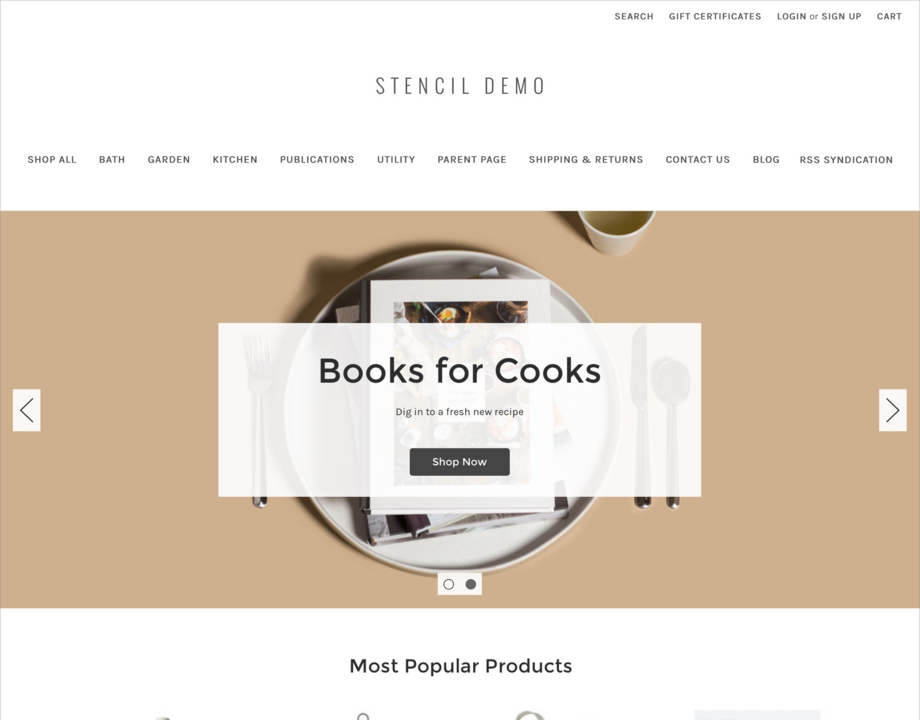
Blueprint Has Been Frozen Since 2016
BigCommerce has not invested in Blueprint feature development since Stencil launched. Merchants on Blueprint cannot access the Page Builder visual editor, cannot install apps that require the Stencil framework, and are cut off from any storefront performance improvements shipped through Cornerstone theme updates. The longer a store stays on Blueprint, the wider the gap between its capabilities and what the BigCommerce platform delivers today.
The Performance and Maintenance Cost of Deprecated Blueprint
BigCommerce marks Blueprint as a legacy framework with no further roadmap commitments. That designation has specific consequences: app developers building for the BigCommerce ecosystem target Stencil, so new tools for checkout, personalization, loyalty, and search increasingly require it. When did your team last try to install an app and hit a Stencil-only compatibility wall? Blueprint stores also cannot use BigCommerce’s native Catalog V3 features, including the modern variant and modifier system that powers more advanced product configuration. Every new BigCommerce feature built for Stencil, from checkout customization to loyalty tools, stays out of reach for Blueprint stores.
Four Signs Blueprint Is Slowing You Down
These four indicators signal that Blueprint limitations have moved from background concern to active performance drag.
- App installs failing or showing compatibility warnings for Stencil-only features
- Mobile PageSpeed Insights scores below 50, with LCP above 4 seconds on key landing pages
- Inability to use Page Builder for merchandising or seasonal promotions without developer involvement
- New BigCommerce product features (like native wishlists, enhanced search, or checkout customization) unavailable in the control panel
Blueprint and Stencil Are Separate Frameworks
Blueprint and Stencil are architecturally separate systems, with different template engines, different styling approaches, and different development workflows. Custom logic written for Blueprint requires evaluation and rebuilding in Stencil. Every template, layout override, and custom widget needs to be assessed before a line of Stencil code is written.
| Feature | Blueprint | Stencil |
|---|---|---|
| Template engine | Custom panel system | Handlebars.js |
| Styling | Custom LESS | SCSS/Sass |
| Local development | Not supported | Stencil CLI (Node.js) |
| Mobile-first | No | Yes |
| Page Builder | Not available | Full support |
| New app support | None | Full |
| Catalog system | V2 | V3 |
| BigCommerce updates | None | Active |
The template engine difference is what makes Blueprint customizations non-transferable. Blueprint used a proprietary panel-based system that no modern tooling supports. Stencil uses Handlebars.js, a widely used JavaScript templating library, which means developers can work with standard tooling, write tests locally via Stencil CLI, and preview changes before pushing them to production. Blueprint offered no equivalent local development path.
The transition from LESS to SCSS is typically straightforward for experienced front-end developers, but it does require a full stylesheet audit. Any LESS-specific syntax, variable structures, or custom mixins need to be converted before they compile correctly in Stencil.
What to Document Before Migration Starts
The difference between a migration that takes four weeks and one that takes four months is almost always the depth of the pre-migration audit. Everything discovered after go-live costs three to five times more to fix than it would have during planning.
- Catalog & Product Options. Document every product using option sets, rule-based pricing, or complex variants. Flag any product with more than three option dimensions; these products carry the highest risk of needing manual reconfiguration during the V2-to-V3 transition.
- Custom Functionality & Templates. Export a list of every Blueprint template file modified from the original. Custom panel layouts, embedded JavaScript, hardcoded promotional elements, and third-party widget injections all need equivalent replacements built in Stencil. There is no import path; these are rebuilt from scratch.
- Third-Party App Compatibility. Log every installed app and confirm its Stencil support status in the BigCommerce App Marketplace. Apps that inject scripts directly into Blueprint templates cannot be assumed to work in Stencil without testing. Contact vendors for any that lack explicit Stencil documentation.
- SEO Baseline Capture. Before any migration work begins, export a full crawl of the current site using Screaming Frog or Sitebulb. Record all indexed URLs, current title tags, meta descriptions, canonical tags, and organic traffic from Google Search Console. This baseline is the comparison point after launch.
V2-to-V3 Migration Timeline and Delay Factors
Blueprint stores run on BigCommerce’s V2 catalog system. Stencil’s full feature set, including the modern product variant and modifier architecture, runs on V3. Migrating the theme without addressing the catalog means the new Stencil store inherits the structural limitations of the old data model. For simple stores with flat product option sets, this is a minor concern. For stores with complex configurable products, bundles, or rule-based pricing, it is the longest part of the project.
The core difference: V2 products use option sets shared across multiple products, meaning a change to the option set affects every product using it. V3 decouples options at the product level, giving each product independent variant and modifier control. The migration from V2 to V3 means rebuilding product options for any item where the shared option set structure conflicts with what V3 expects. BigCommerce provides a Catalog API migration path, but it requires careful mapping and validation at each step.
Stores that have never run a catalog audit should expect to find orphaned option sets, product variants with missing images, and pricing rules that live in the admin but never surface to customers. The V2-to-V3 transition is the right moment to address all of it. The BigCommerce migration and replatforming guide covers the broader project scope and timeline structure for stores approaching this transition.
The Complete Migration Sequence
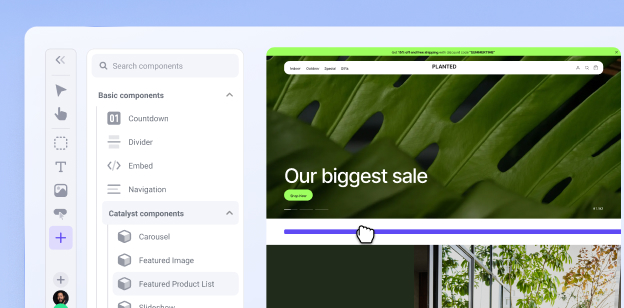
The sequence below assumes the pre-migration audit is complete. Steps taken out of order create avoidable problems: testing before customization is complete wastes cycles, and going live before SEO validation risks traffic drops that take months to recover from.
npm install -g @bigcommerce/stencil-cli. Connect it to the store via stencil init, then run stencil start to preview the theme locally before any changes are pushed to production. Every customization should be developed and reviewed in this local environment.Four SEO Steps That Prevent a Rankings Drop
A Blueprint-to-Stencil migration handled correctly leaves rankings intact. Post-launch ranking drops trace back to three execution gaps: URL structure changes without 301 redirects, meta data absent from the Stencil build, and page speed regressions from a heavier theme. All three are preventable. For the redirect setup specifically, the BigCommerce 301 redirects guide covers the technical configuration in detail.
Three Blueprint-to-Stencil Migration Outcomes
Optimum7 has documented conversion rate and revenue improvements across multiple BigCommerce theme migration and template customization projects, and the pattern is consistent: a well-executed Stencil build with proper mobile optimization, navigation structure, and page speed work produces measurable lift within the first quarter after launch.
Conversion Rate Improvement After BigCommerce Theme Migration
Optimum7 client results across three BigCommerce template migration projects
Conversion rate change after theme rebuild and template migration. Timeframes vary by project.
The Rostek migration illustrates the full range of what a well-executed theme change produces. Rostek sells custom stainless steel furniture and components with variable product options, a product type where configuration clarity at the product page level directly affects purchase decisions.
The First 90 Days on Stencil
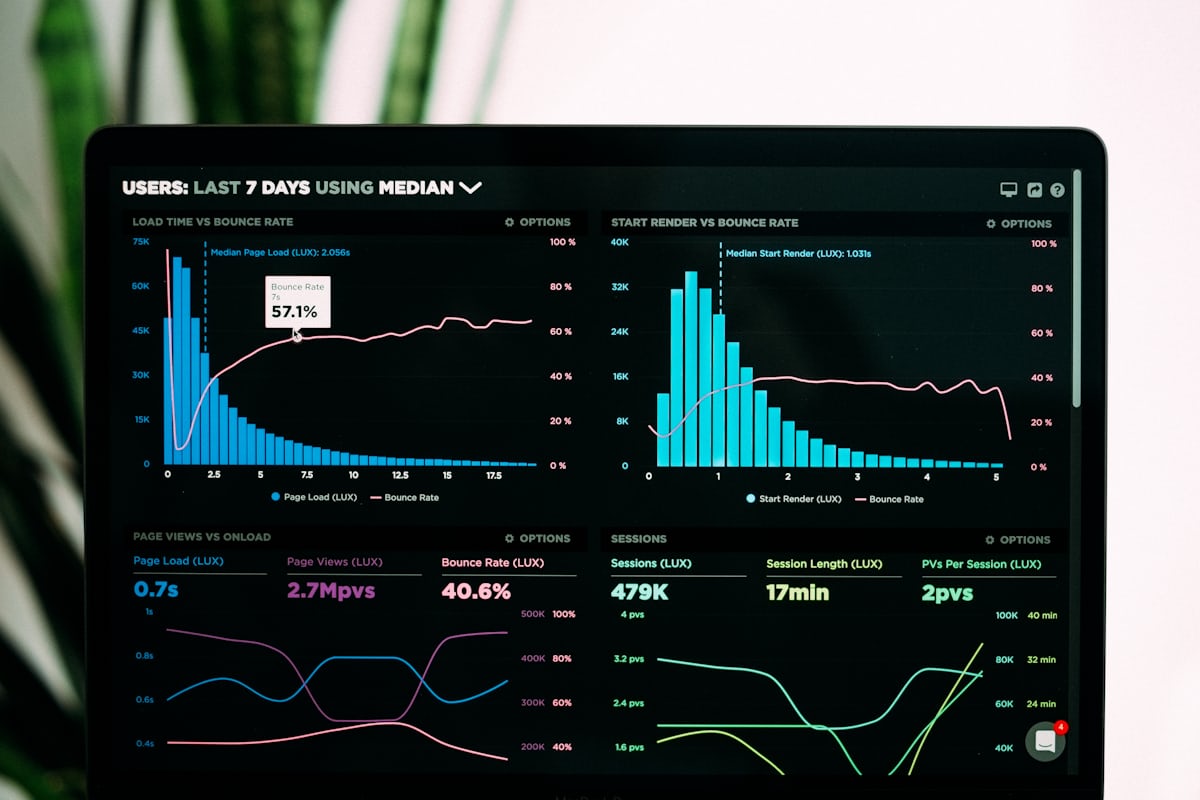
The migration is complete when the Stencil theme activates without errors and Search Console shows clean coverage. Sustained performance requires a post-launch monitoring routine. The BigCommerce platform’s 2.4-second median LCP is the baseline to beat; stores that invest in Stencil customization and image optimization typically reach under 2 seconds on key pages. The platform’s biggest 2026 performance gap is INP (Interaction to Next Paint), where 42% of BigCommerce stores fail the 200ms threshold. Stencil’s JavaScript architecture is the primary lever for improving it.
Three areas require ongoing attention after launch. First, Stencil theme updates: BigCommerce ships Cornerstone updates regularly, and applying them requires merging changes into any custom theme build. Teams that skip updates accumulate technical debt and miss security patches. Second, app accumulation: each new app installed after launch adds JavaScript to the storefront. Run a PageSpeed Insights audit after every new app installation and remove any that cause LCP to exceed 2.5 seconds; Optimum7’s BigCommerce page speed guide covers the full post-launch optimization workflow. Third, Page Builder content: now that merchandising can happen without developer involvement, content teams need guidelines on image file sizes, content block limits per page, and video embed practices to prevent page weight from creeping up.
Stores with high SKU counts or B2B pricing requirements should discuss BigCommerce’s Catalyst framework (headless, React-based) with their development team before committing to a full Stencil custom build. Catalyst is the direction the platform is moving for high-complexity storefronts. Blueprint-to-Stencil is the standard migration for mid-market stores; stores projecting over $5M in annual revenue or B2B catalog complexity in the next two years should factor Catalyst into the architecture decision before investing in a Stencil custom build.
When to Bring In a BigCommerce Partner
The Blueprint-to-Stencil migration is within reach of an experienced in-house development team, but several parts of it carry enough risk that specialist experience materially reduces the chance of a go-live incident. The V2-to-V3 catalog transition, SEO preservation, and custom functionality rebuilds all require decisions about scope and priority that affect both timeline and outcome. Teams without prior BigCommerce Stencil experience routinely underestimate the catalog migration component and discover it mid-project, which adds weeks and budget.
Optimum7 has completed BigCommerce theme migrations, template customizations, and full platform builds across dozens of ecommerce verticals. For stores planning a Blueprint-to-Stencil switch, the engagement typically starts with the pre-migration audit: a structured review of the current Blueprint setup that produces a scoped plan with specific timelines and a catalog migration strategy before any development begins. Optimum7’s BigCommerce development services cover the full migration from audit to post-launch monitoring. For stores migrating from another platform entirely, Optimum7’s ecommerce migration services cover the broader replatforming scope. For stores still evaluating their platform options, the ecommerce platform migration planning guide covers the evaluation criteria.
Frequently Asked Questions
How long does a BigCommerce Blueprint-to-Stencil migration take?
Timeline depends on store complexity. A store with a standard product catalog and minimal custom Blueprint templates can complete the migration in four to six weeks. Stores with heavy customization, V2 option rule structures, or large SKU counts typically take eight to fourteen weeks. The pre-migration audit is the only reliable way to scope the timeline before development begins.
Will switching to Stencil affect my search engine rankings?
A well-executed migration preserves rankings. The risks are specific: URL structure changes without 301 redirects, missing meta data in Stencil templates, and page speed regressions from a heavier theme. All three are preventable with proper SEO validation before go-live. Stores that skip the pre-launch audit and post-launch Search Console monitoring are the ones that see traffic drops.
Can I keep my existing product catalog data when migrating to Stencil?
All product data, customer records, order history, and store content carry over intact. Custom functionality hardcoded into Blueprint templates and option sets requiring V2-to-V3 conversion need rebuilding or remapping during the catalog migration. The catalog data transfers cleanly; the configuration work around complex products is where the project time goes.
Can I revert to Blueprint after activating Stencil?
BigCommerce has no mechanism to revert to Blueprint after a Stencil theme is activated. The pre-migration audit and full QA process exist for exactly this reason: every issue needs to be caught and resolved during development and staging, with no go-back option once the store is live.
Do I need a developer to complete this migration?
For stores with minor Blueprint customizations and a straightforward product catalog, a technically proficient owner using the Stencil CLI and a marketplace theme can manage parts of the migration. For stores with custom functionality, complex option sets, or established organic traffic, developer involvement is strongly recommended. The cost of a go-live incident exceeds development costs by a wide margin.
Does Stencil support Page Builder out of the box?
Yes. All standard Stencil themes from the BigCommerce Marketplace support Page Builder, which allows non-technical team members to build and edit pages without developer involvement. Custom Stencil themes built from Cornerstone also support Page Builder, provided the developer included the necessary widget regions during the build. For teams that have needed developer help for every content update, Page Builder is the most immediate operational gain from switching.
About the author: Duran Inci is the CEO and Co-Founder of Optimum7, an ecommerce development and digital marketing agency. He helps mid-market and enterprise brands scale revenue through conversion optimization, SEO, and custom ecommerce solutions.