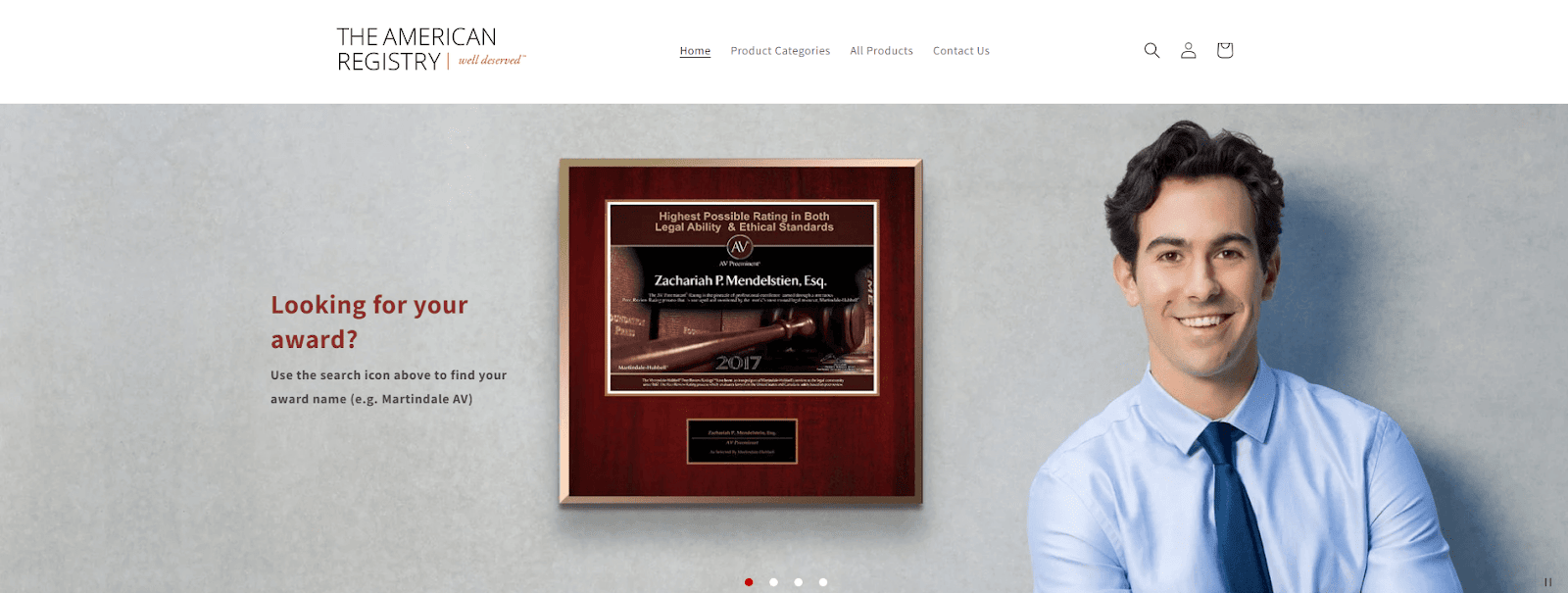
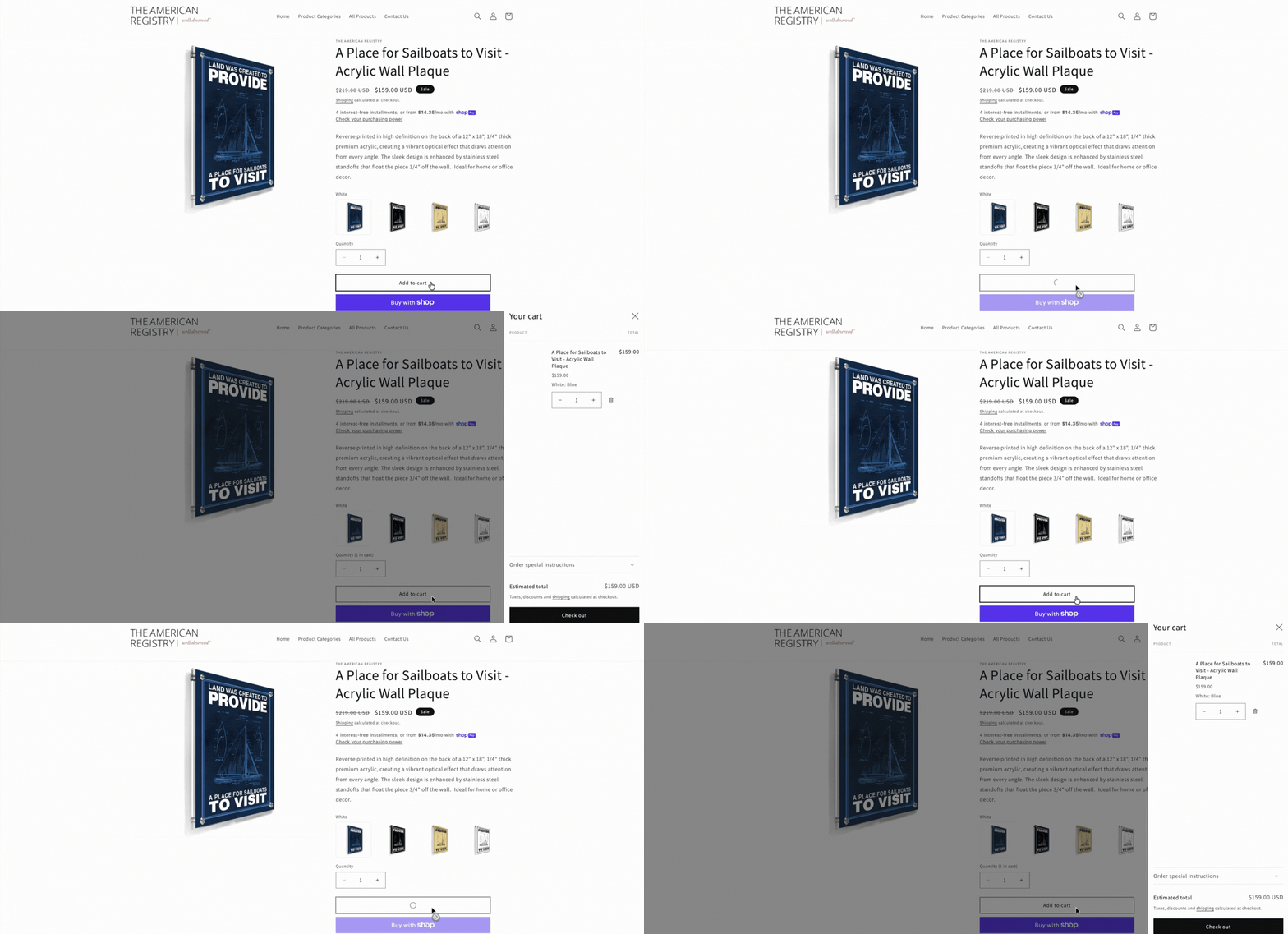
The Objective
The goal was not simply to launch a Shopify store. It was to launch a storefront that could support personalized product sales from day one, with the operational foundation behind it and a buying experience strong enough to reduce hesitation at the point of purchase.
The build needed to deliver:
- A fully configured Shopify store, including payment, shipping, tax, and core business settings
- A brand-aligned template implementation, with customized navigation, layout, and styling
- A live canvas preview that rendered customer-entered personalization in real time on the product page
- Input controls and responsive behavior that kept the preview accurate across devices
- Conversion-focused product and site experiences, including trust elements and clear calls to action
- Core app integrations and SEO foundations to support launch readiness and future growth
Just as important, the store needed to perform from day one and support future growth without requiring foundational rework.
Key Business Challenges
1. Personalized Products Carry Irreversibility Risk
Customers ordering engraved plaques or formatted certificates cannot return them if the name is wrong or the layout does not match expectations. That risk shows up at the worst possible moment: after a buyer has chosen a product, entered their details, and is one step from purchase. No visibility into the final result means the most motivated buyers are the most likely to leave.
2. No Native Shopify Solution for Real-Time Product Rendering
Shopify’s theme ecosystem does not come with a built-in way to generate live previews for personalized products. For American Registry, that meant building a custom solution from the ground up, one that could render customer-entered text on the product image in real time, match fonts accurately, keep the text positioned correctly, and prevent layouts from breaking when inputs ran too long. Just as important, the tool had to work smoothly across devices and fit cleanly into the Shopify theme without creating a brittle storefront experience.
3. A Full-Store Launch from Scratch
American Registry was not migrating into an existing Shopify setup. This was a new build, which meant every part of the storefront needed to be planned and configured from scratch. The theme, navigation, product page layout, checkout trust signals, payment and shipping settings, app stack, and SEO foundations all had to come together in the right order. That alone required discipline. Adding a custom development component on top of that made sequencing even more important, because one workstream could not be allowed to compromise the other.
4. Brand Alignment Within Template Constraints
American Registry needed a storefront that felt built for their market, but without the cost and timeline that come with a fully custom design. That meant choosing the right Shopify theme from the start, then pushing it carefully through styling and layout changes until it felt tailored to the brand. The goal was to get as close to a custom experience as possible, while keeping development focused only on the canvas feature where it truly mattered.
The Strategic Challenge
The canvas preview was the centerpiece of the project, both from a business standpoint and from a technical one. The risk was treating it as a standalone feature added on top of a generic store build. A custom preview tool only matters if the storefront around it helps people buy. If the rest of the experience creates friction, even a strong feature like that cannot carry the purchase on its own. In a product category where buyers are already wary of committing to something they cannot return, a weak conversion layer amplifies every moment of hesitation.
Optimum7’s approach was to sequence the work deliberately: build the storefront foundation and conversion layer first, then integrate the canvas preview as a clearly defined feature within an already-functional store. This helped keep the project focused and stable, while ensuring the preview tool enhanced a store that was already built to perform.